All-terrain, highway or mud-terrain: choosing 4WD tyres
What highway-terrain, all-terrain and mud-terrain tyres are each built for, what LT on the sidewall means, and how far you can go up in size in South Australia.
The short answer. Choose for where the vehicle spends most of its time, not for the one big trip a year. Mostly bitumen: highway-terrain. A real mix of sealed roads, gravel and tracks: all-terrain. Mud, rock and loose dirt most weekends: mud-terrain, and accept the noise on the highway.
The three tread types
| Type | Built for | What you give up |
|---|---|---|
| Highway-terrain (H/T) | Sealed roads. Quiet, comfortable and easy on fuel. | It isn’t built for off-road use. |
| All-terrain (A/T) | A balance of on-road and off-road driving. | It’s a compromise: quieter and better on bitumen than a mud-terrain, with less bite in the rough. |
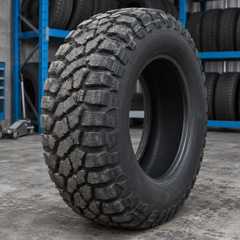
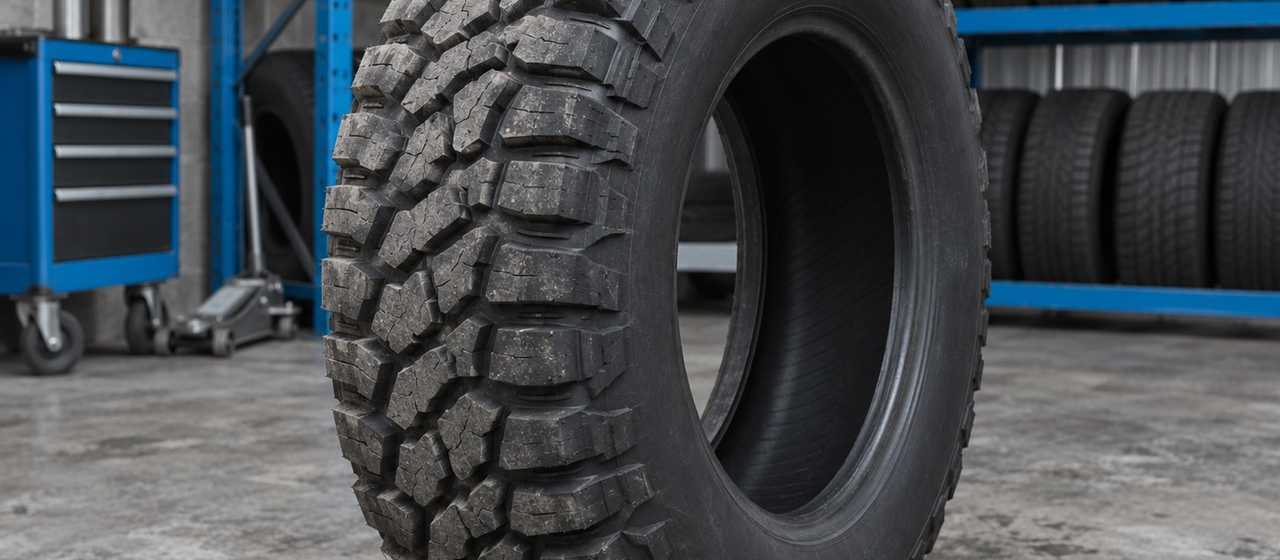
| Mud-terrain (M/T) | Extreme off-road conditions: mud, rocks and loose dirt. Large tread blocks with wide gaps grip and clear themselves. | More noise, more fuel and faster wear on sealed roads. |
These descriptions follow Bridgestone Australia’s.
Be honest about the split. A ute that works on bitumen all week and sees a gravel road at Easter doesn’t need mud-terrains.
At the shop, the 4WD tyres we’ve stocked most recently are Kenda, Predator and Maxxis, in all-terrain and rugged-terrain patterns. Rugged-terrain is the step up from an all-terrain when you want more bite.
What LT means
Some 4WD tyres are marked LT, for light truck. Cooper Tires describes an LT tyre as one designed for more off-road strength and traction, for towing on-road and for a higher load-carrying capacity.
If you tow, carry weight or drive rough tracks, ask us for LT construction in your size.
Load and speed ratings
Your 4WD has a tyre placard, usually in the glove box, in the engine bay or on a door pillar. In South Australia replacement tyres must have a load capacity at least equal to the lowest load rating on that placard.
The speed rating has a floor too. On a vehicle for off-road use, where the placard asks for a rating higher than N, the tyres must be rated at least N, which is 140 km/h.
Going up a size
South Australia sets limits on how far you can go without approval.
- Diameter. On a four-wheel drive, the overall diameter of the wheel and tyre can be up to 50 mm larger than the largest size on the placard. On other vehicles the limit is 15 mm.
- Smaller. The diameter can’t be more than 15 mm smaller than the smallest size on the placard.
- Lift. Bigger tyres count towards lift. Suspension lift, body lift and larger tyres together can raise the ride height by a total of 50 mm without a roadworthiness inspection.
Tyres outside the diameter limits need an application to modify the vehicle and a report from a light vehicle engineering signatory. A total lift of more than 50 mm needs prior approval and a roadworthiness inspection as well.
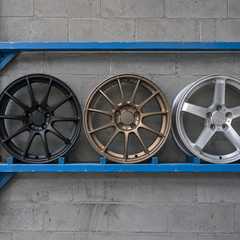
We’re a Dynamic Wheel Co. dealer, so if you’re changing wheels at the same time we can price wheels and tyres together.
What to text us
- The size on your sidewall. It will be metric, like 265/65 R17, or imperial, like 33x12.5 R15.
- The vehicle.
- How you use it: towing, beach, tracks, or mostly the school run.
Send it to 0411 962 842 and we’ll come back with what we have and what it costs, fitting and balancing included.
Sources
- Bridgestone Australia, Mud-terrain tyres and Mud terrain vs highway terrain tyre. The three tread types.
- Cooper Tires Australia, Tyre glossary. What LT means.
- SA Government, Cars: vehicle standards and modifications. The tyre placard, load and speed ratings, tyre diameter and lift.
All read on 16 November 2026.
Rather just ask?
Text your tyre size or a photo of the tyre and we'll tell you what we'd do.
Text for a priceOr call 0411 962 842